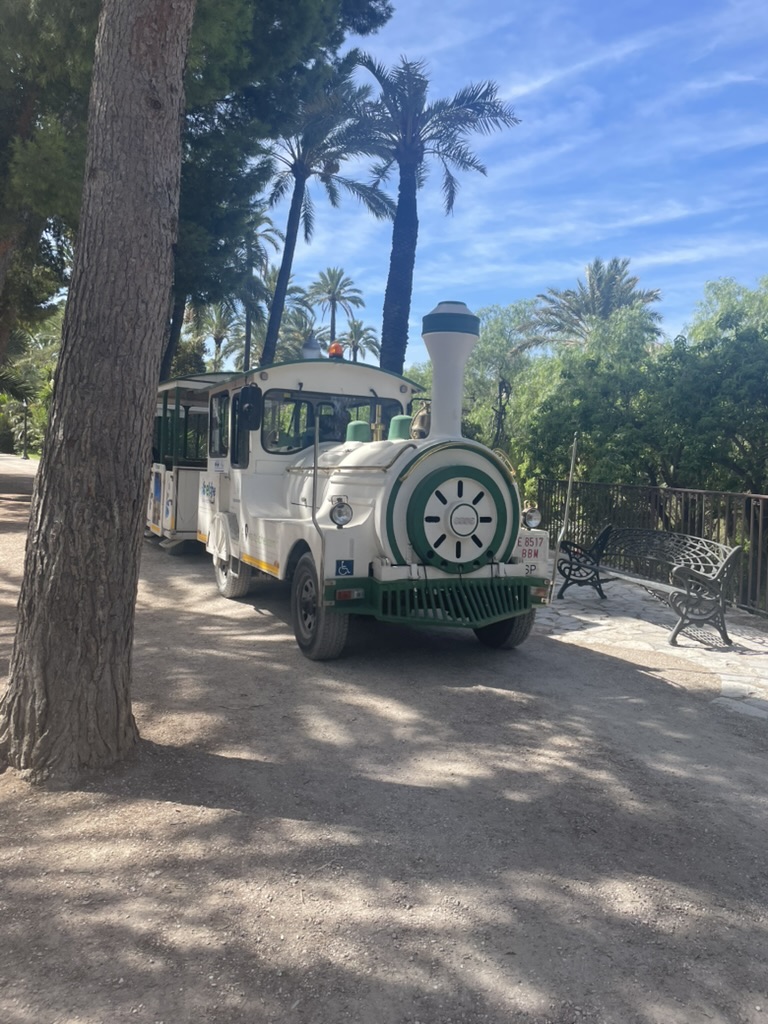
Palm Park in Elche (Parque Municipal)
A walk among 200,000 palms listed as a UNESCO World Heritage Site
Palmeral de Elche (the Palm Park of Elche) is the largest palm grove in Europe and a UNESCO World Heritage Site since 2000. Spread across approximately 500 hectares, over 200,000 date palms planted by the Moors in the 10th century create a unique landscape with a traditional irrigation system. The municipal park (Parque Municipal) is free to enter, while Huerto del Cura - the most famous garden with the celebrated eight-trunked Imperial Palm - costs approximately 7 EUR. Elche is just 18 km from Gran Alacant (20 minutes by car), making it an ideal destination for a family outing of a few hours. It is well worth combining your visit with a tasting of local dates at the Central de Elche market.
Why Visit Palmeral de Elche?
UNESCO Within Reach
The Palmeral was inscribed on the UNESCO World Heritage List in 2000. Walking along the main avenues you will discover the irrigation system left by the Moors and the traditional "huertos" - gardens enclosed by walls.
Playground and Relaxation Zones
In the central part of the park you will find a safe playground, shaded gazebos, and a duck pond. Ideal for children to rest while adults catch their breath over coffee from the nearby kiosk.
What Are the Most Interesting Spots in the Palm Park?
Huerto del Cura
The most famous palm garden with the eight trunks of the celebrated "Imperial Palm". Worth the extra cost to see the impressive cactus collections and koi carp pond.
Andalusian-Style Gazebos
White pergolas decorated with ceramic tiles provide pleasant shade. A favourite spot for wedding photos and family portrait sessions.
Interpretation Centre
A multimedia exhibition explaining the history of the Palmeral and showing how date production and traditional crafts made from palm leaves work.
What Is the History of Palmeral de Elche and Why Is It on the UNESCO List?
The history of Palmeral de Elche reaches back to the 5th century BC, when Phoenicians and Carthaginians brought the first date palms to the Iberian Peninsula. However, it was the Moors in the 10th century AD who built the extensive irrigation system (known as acequia) and planted thousands of palms, creating unique agricultural landscapes called "huertos". This system, based on water channels diverting water from the Vinalopo River, has functioned continuously for over a thousand years and is one of the best-preserved examples of Moorish water engineering in Europe.
In 2000 UNESCO inscribed Palmeral de Elche on the World Heritage List as a "living cultural landscape" - the only palm grove of its kind in Europe. The UNESCO committee recognised not only its natural values but above all the continuity of date palm cultivation traditions passed down from generation to generation. Today many "huertos" are open to tourists, and local artisans continue the tradition of weaving "palma blanca" - white palm leaves used during Palm Sunday processions.
How to Plan a Visit to Palmeral de Elche from Gran Alacant?
Family Friendly
Bring a pushchair - the paths are wide and level. On warm days plan a break by the fountain or mini cafe next to the playground.
Best Time
The most pleasant walking is in the morning (10:00-12:00) or just before sunset, when the palms cast spectacular shadows and the temperature drops.
How to Get There
From Gran Alacant take the N-332 road towards Santa Pola, then CV-865 to Elche. Parking is available on Avinguda de la Llibertat. By public transport take bus lines 1A/1B connecting Santa Pola and Elche - the stop is a 5-minute walk from the park entrance.
Nature lovers should consider combining a visit to the Palmeral with a trip to Rio Safari Elche - a safari zoo with lions, giraffes, and elephants just 10 minutes drive from the palm park. Closer to Gran Alacant, the Clot de Galvany nature reserve awaits with free admission and walking trails through wetlands.
What Else Is Worth Seeing in Elche Besides the Palmeral?
Basilica de Santa Maria
A monumental 17th-century church where the famous Mystery Play of Elche (Misteri d'Elx) takes place every August - a medieval liturgical drama inscribed by UNESCO as Intangible Cultural Heritage. The viewing tower costs 2 EUR and offers a panorama of the entire Palmeral.
Central de Elche Market
Just a 10-minute walk from the palm park you will find a bustling municipal market. Buy fresh dates from local plantations, traditional "alaju" pastries made with almonds and honey, first-press olive oil, and local wines from the Alicante region. An ideal spot for breakfast or lunch after your walk.
What Does Palmeral de Elche Look Like in Photos?

Rafał Prońko
Właściciel Brisa Alacant
Właściciel apartamentu wakacyjnego Brisa Alacant od 2023 roku, regularnie odwiedzam Costa Blanca i znam region z własnych doświadczeń. Wszystkie miejsca opisane na blogu odwiedziłem osobiście — zdjęcia i porady pochodzą z moich własnych wizyt. Pomagam gościom odkrywać najlepsze atrakcje regionu Alicante.
Frequently Asked Questions About Palmeral de Elche
How much does a ticket to Palmeral de Elche cost?
Walking through Parque Municipal, the main palm park in Elche, is completely free and open daily to all visitors. Admission to Huerto del Cura, the most famous palm garden featuring the celebrated eight-trunked Imperial Palm (Palmera Imperial), costs approximately 7 euros for adults, 5 euros for seniors over 65, and 3.50 euros for children aged 5 to 15. Children under 5 enter free of charge. In Huerto del Cura you will see impressive cactus collections, a koi carp pond, replicas of Iberian sculptures, and over 1,000 date palms. Tickets can be purchased at the counter or online at huertodelcura.com. It is worth noting that the Palmeral Interpretation Centre (Museo del Palmeral) has a separate ticket costing 3 euros. For families with children the best value option is the free Parque Municipal, which offers a playground, a duck pond, and shaded walking paths among the palms. The total cost for a family of four therefore ranges from 0 euros to approximately 25 euros depending on which attractions you choose.
What are the opening hours of the palm park in Elche?
Parque Municipal in Elche is open daily from approximately 10:00 to 22:00 in summer season from April to September and from 10:00 to 20:00 in winter season from October to March. Hours may vary slightly during holiday periods and local festivals. Huerto del Cura is open daily from 10:00 to 18:00 in winter months and from 10:00 to 20:00 in summer season, with last entry 30 minutes before closing. The Palmeral Interpretation Centre (Museo del Palmeral) welcomes visitors Tuesday to Saturday from 10:00 to 14:00 and 15:00 to 18:00, and on Sundays mornings only. Monday is the closed day for the museum. It is advisable to confirm current hours on visitelche.com or Elche Turisme before your visit, particularly during Easter and August when the city hosts the Mystery Play of Elche. The best time for visiting is in the morning between 10:00 and 12:00 when the temperature is pleasant and the park paths are less crowded.
How many palms grow in Elche?
Palmeral de Elche is by far the largest palm grove in Europe, numbering over 200,000 date palms (Phoenix dactylifera) spread across approximately 500 hectares within the city boundaries. It was inscribed on the UNESCO World Heritage List in 2000 as the only palm grove of its kind on the European continent. The palms were originally planted by the Moors in the 10th century AD, and the traditional Arab irrigation system known as acequia has functioned continuously for over a thousand years. The Palmeral comprises over 70 historic gardens called huertos, each enclosed by a traditional wall. The oldest living palm in Elche is over 300 years old. Date palms dominate among the trees, but Canary Island palms and Washingtonia palms also grow here. Every year the city harvests several dozen tonnes of dates sold at local markets and souvenir shops. Palmeral de Elche is also home to numerous bird species including Alexandrine parakeets and hoopoes.
How do you get to the palm park from Gran Alacant?
From Gran Alacant to Palmeral de Elche is just 18 kilometres, taking approximately 20 minutes by car. The most convenient route follows the N-332 road towards Santa Pola, then turn onto the CV-865 road towards Elche. Free parking is available on Avinguda de la Llibertat, directly adjacent to the Parque Municipal entrance. Alternatively you can park near Huerto del Cura where a small visitor car park is available. By public transport you can reach Elche on bus lines 1A or 1B connecting Santa Pola with Elche, with the final stop just a 5-minute walk from the park entrance. The bus runs every 30 minutes on weekdays and hourly at weekends. A single ticket costs approximately 1.50 euros. A taxi from Gran Alacant to Elche costs 20 to 25 euros. For GPS users the Parque Municipal address is Passeig de l'Estacio, 03202 Elx. It is worth planning a morning visit to avoid parking difficulties during the summer season.
How long does a visit to Palmeral de Elche take?
A leisurely walk through the free Parque Municipal takes 1 to 2 hours, as the park has comfortable paths, benches, and a playground for children. If you also want to visit Huerto del Cura with its famous Imperial Palm and cactus collection, allow an additional 45 to 60 minutes. The Palmeral Interpretation Centre (Museo del Palmeral) with its multimedia exhibition on the history of palms requires another 30 to 45 minutes. For a complete visit to all three attractions plan 3 to 4 hours. The most pleasant walking is in the morning between 10:00 and 12:00 when the air is still cool, or just before sunset when the palms cast spectacular long shadows. After your visit it is worth spending an extra 30 minutes at the Central de Elche market, a 10-minute walk from the park, where you can buy fresh dates and traditional alaju pastries. A full day trip from Gran Alacant including travel, sightseeing, and tasting takes 5 to 6 hours and makes an ideal plan for a family day away from the beach.
Źródła i odnośniki
- UNESCO - Palmeral of Elche(dostęp: 2025-10-18)
- Visit Elche - Official tourism portal(dostęp: 2025-10-18)
- Huerto del Cura - Official garden website(dostęp: 2025-10-18)
- Ayuntamiento de Elche - Palmeral(dostęp: 2025-10-18)
- Museo del Palmeral de Elche(dostęp: 2025-10-18)
Combine Your Visit with a Date Tasting
At the Central de Elche market (10-minute walk) you can buy fresh dates and traditional "alaju" pastries. It is the best souvenir from a visit to the city of palms.