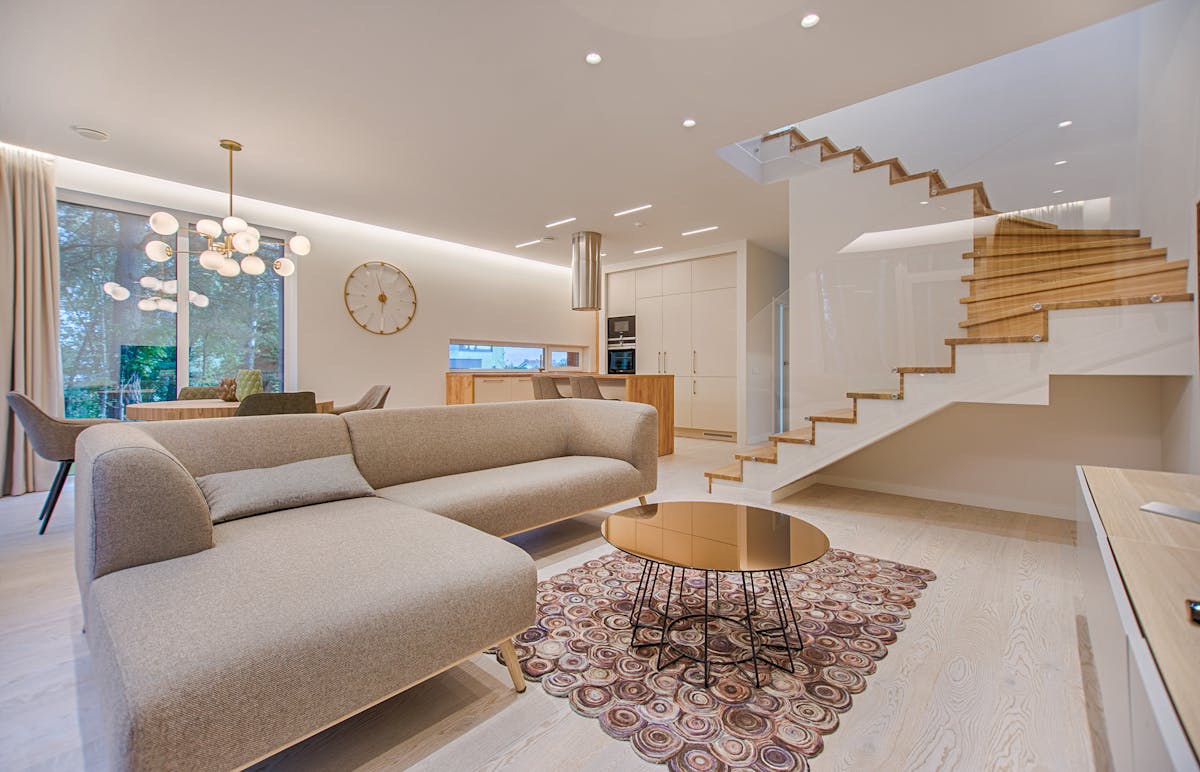
How to Rent a Holiday Apartment in Spain
2026 Guide: licence, platforms, agreement, deposit and tourist rights
Renting a holiday apartment in Spain is an excellent way to enjoy comfortable and flexible holidays, but it requires proper preparation. In 2026, new EU regulations regarding the registration of short-term rental properties are in effect, and the market is full of both legitimate offers and attempted scams. This guide will walk you through the entire process step by step — from checking the tourist licence, through choosing a booking platform, to signing the rental agreement and recovering your deposit. With this guide you will know exactly what to look out for and how to protect your money and travel comfort.
What you will find in this guide
• Tourist licence — how to verify a property's legality
• Platform comparison — Booking vs Airbnb vs direct booking
• Red flags in listings — warning signs of scams
• Rental agreement — what it must contain and what to watch for
• Deposit and security — typical amounts and refund rules
• Tourist rights — what you are entitled to in Spain
• Travel insurance — EHIC is not enough
How to check a holiday apartment's tourist licence in Spain?
The número de registro turístico (tourist licence number) is the absolute foundation of legal short-term rentals in Spain. Since 2024, under EU Regulation (EU 2024/1028), every short-term rental property must have a registration number visible in the listing.
Where to check?
- • Comunitat Valenciana: gva.es → Turisme
- • Catalonia: Registre de Turisme de Catalunya
- • Andalusia: Registro de Turismo de Andalucía
- • Balearic Islands: Govern de les Illes Balears
- • Canary Islands: Registro Turístico de Canarias
What does the number verify?
- • The property is legally registered
- • It meets safety standards (fire, electrical)
- • It has a civil liability insurance policy
- • The owner pays the tourist tax
- • The property is regularly inspected
Example licence number (Comunitat Valenciana): ESFCNT00000307600001125100000000000000000000000000005. Each autonomous community has its own registration number format. On the Costa Blanca, numbers begin with the prefix ESFCNT, while in Catalonia they start with HUTB.
Booking, Airbnb, or direct booking — which to choose?
Your choice of booking platform affects the price, transaction security, and complaint options. Here is a detailed comparison of the three most popular options:
Booking.com
Advantages:
- • Free cancellation on many offers
- • Pay at check-in (no prepayment)
- • Genius system — loyalty discounts
- • 15–20% commission (paid by owner)
Disadvantages:
- • Prices may be higher (commission built in)
- • Less control over communication
- • Photos sometimes unrepresentative
Airbnb
Advantages:
- • AirCover — protection up to $10,000
- • Host identity verification
- • Direct chat with the owner
- • Superhost system — verified hosts
Disadvantages:
- • 14–16% service fee (paid by guest)
- • Cancellation policy varies by host
- • Additional cleaning fees
Direct booking
Advantages:
- • Cheapest option (no platform commission)
- • Direct contact with the owner
- • Flexibility in negotiations
- • Save 10–20% vs platforms
Disadvantages:
- • No platform protection
- • Scam risk (fake websites)
- • More difficult to make complaints
What to watch out for in listings? Red flags when renting an apartment
Scams on the holiday rental market unfortunately occur regularly, especially in popular tourist destinations such as Costa Blanca, Costa del Sol, and the Balearic Islands. Here are warning signs that should raise your alertness:
Warning signs
- • No licence number in the listing
- • Suspiciously low price — 30–50% below market
- • Few or no photos — stock photos instead of real ones
- • Request for private bank transfer outside the platform
- • Sudden change of terms after deposit payment
- • No reviews or only 5-star reviews without content
Signs of a legitimate offer
- • Tourist licence number visible in the listing
- • Many quality photos from different angles
- • Genuine guest reviews with specific details
- • Payment through the platform or secure system
- • Quick responses from the owner to questions
- • Exact address and directions provided
Rule number 1: If an offer looks too good to be true — it probably isn't. A 2-bedroom apartment by the beach on the Costa Blanca in peak season (July–August) typically costs 80 to 150 euros per night. A price below 50 euros per night should raise suspicions.
What should a holiday apartment rental agreement contain?
Even when booking through a platform, it is worth having a written agreement. For direct bookings, it is absolutely essential. A short-term rental agreement (contrato de arrendamiento turístico) in Spain should contain the following elements:
Party details
Full name, passport/DNI number of both owner and tenant. Residential address of both parties. Tourist licence number of the property.
Stay conditions
Exact check-in and check-out dates with times (standard check-in 15:00–16:00, check-out 10:00–11:00). Maximum number of guests. Rules regarding pets, smoking, and parties.
Financial terms
Total stay price with breakdown: nightly rate, cleaning fee, tourist tax (if applicable). Deposit amount and return conditions. Payment schedule and accepted methods.
Cancellation terms
Cancellation policy: how many days before arrival and what amount is refunded. Standard: over 30 days — full refund, 14–30 days — 50%, under 14 days — no refund.
Inventory and equipment
List of apartment equipment (appliances, furniture, bedding, towels). Technical condition at check-in. Procedure for reporting faults and repairs.
Deposit when renting — how much and how to protect yourself?
Typical deposit amounts
- • Studio apartment: 100–200 EUR
- • 1–2 bedroom apartment: 200–300 EUR
- • Villa / house: 300–500 EUR
- • Premium properties: 500–1,000 EUR
Forms of deposit
- • Card hold: best option (automatic release)
- • Bank transfer: requires written confirmation
- • Cash: always get a receipt
- • Through platform: safest option
How to protect yourself against losing your deposit?
- • Take photos and a video of the apartment immediately after check-in
- • Email the photos to the owner as evidence of the initial condition
- • Report faults immediately — damage, stains, malfunctioning appliances
- • At check-out, request an inspection report
- • Keep your deposit payment confirmation (transfer, receipt)
Under Art. 36 of Ley 29/1994 (Ley de Arrendamientos Urbanos), the deposit for a short-term rental should be returned within 30 days of the end of the stay, unless the owner documents damage that has occurred.
What rights does a tourist renting an apartment in Spain have?
Tourist rights in Spain are regulated by both European law (Directive 2015/2302/EU on package travel), and local tourism laws of individual autonomous communities. Here are your most important rights:
Right to a property matching the description
The apartment must match the listing description. If promised amenities are missing (e.g. air conditioning, Wi-Fi, sea view), you have the right to compensation.
Right to fault repairs
The owner must ensure all installations and appliances work properly. Air conditioning, electricity, or water failures require repair within a reasonable timeframe (24–48h).
Right to privacy
The owner has no right to enter the apartment without your consent during the stay. The exception is emergency situations (e.g. fire, flooding).
Right to make a complaint
You can file an official complaint (hoja de reclamaciones) at any tourist establishment. The owner is obliged to provide the complaint form on request. Complaints are filed with the Oficina de Turismo or Oficina del Consumidor.
Emergency and contact numbers
112 — emergency number (police, fire, ambulance) | 091 — Policía Nacional | 062 — Guardia Civil | 060 — public administration information
Travel insurance for Spain — why EHIC is not enough
EHIC covers:
- • Public health service doctor visit
- • Stay in a public hospital
- • Prescription medicines (with co-payment)
- • Emergency services
EHIC does NOT cover:
- • Medical transport home
- • Private medical care
- • Dental treatment
- • Luggage protection and civil liability
What to look for when choosing a policy?
- • Medical costs: min. 40,000 EUR
- • Medical transport: min. 10,000 EUR
- • Civil liability: min. 50,000 EUR
- • Luggage: min. 1,000 EUR
- • Trip cancellation: optional
- • Sports: if planning activities
Cost: from 10–25 EUR per week (basic) to 30–60 EUR (extended with cancellation and sports). Use insurance comparison websites to find the best deals quickly.
Brisa Alacant — an example of a legally licensed apartment
Our Brisa Alacant apartment in Gran Alacant on the Costa Blanca meets all the requirements described in this guide: it has an official tourist licence from the Comunitat Valenciana, is registered in the Conselleria de Turisme registry, and meets all safety standards.
Tourist licence number:
ESFCNT00000307600001125100000000000000000000000000005
• Book via Booking.com, Airbnb, or directly
• Transparent prices with no hidden fees
• Fully equipped (air conditioning, Wi-Fi, pool in the complex)
• English-speaking support throughout your stay
Pre-booking checklist — summary
• Check the tourist licence number and verify it in the registry
• Compare prices on Booking, Airbnb, and the owner's website
• Read guest reviews — look for specific details
• Check cancellation terms before making payment
• Avoid off-platform transfers — pay through official systems
• Take photos at check-in and send them to the owner
• Purchase travel insurance — minimum 40,000 EUR medical cover
• Save emergency numbers — 112, 091, your embassy

Rafał Prońko
Właściciel Brisa Alacant
Właściciel apartamentu wakacyjnego Brisa Alacant od 2023 roku, regularnie odwiedzam Costa Blanca i znam region z własnych doświadczeń. Wszystkie miejsca opisane na blogu odwiedziłem osobiście — zdjęcia i porady pochodzą z moich własnych wizyt. Pomagam gościom odkrywać najlepsze atrakcje regionu Alicante.
Frequently Asked Questions
How do you check if a holiday apartment in Spain has a tourist licence?
Every legally rented holiday apartment in Spain must have a tourist licence number, known as the numero de registro turistico. This number must be visible in every listing on booking platforms such as Booking.com or Airbnb, and since 2024 this is a legal requirement under an EU regulation. You can verify the licence number in the tourist registry of the relevant autonomous community. In the case of the Comunitat Valenciana, which includes Costa Blanca and Alicante, the registry is maintained by the Conselleria de Turisme and is accessible on the gva.es website in the turismo section. By entering the licence number in the registry search engine, you can check whether the property is registered, what its address is, and who the owner is. The absence of a licence number in a listing is a serious warning sign that should discourage you from booking that apartment. Legitimate owners are always happy to provide their registration number as it serves as proof of their credibility and professionalism.
Which platform is the safest for booking an apartment in Spain?
The safest platforms for booking holiday apartments in Spain are Booking.com and Airbnb, as both offer guest protection systems and property verification. Booking.com works particularly well for shorter stays, offers free cancellation in many cases, and allows payment at check-in. Airbnb provides the AirCover programme protecting guests up to 10,000 dollars in case of problems with the property. Direct contact with the owner, known as direct booking, can be 10 to 20 percent cheaper as it does not include platform commission, but requires greater trust. When booking directly, it is worth checking whether the owner has their own website, a tourist licence number, and genuine guest reviews. Regardless of the platform chosen, always avoid direct bank transfers to private accounts before arrival. Only use official payment systems of the platform, which guarantee the possibility of a refund in case of fraud or discrepancy between the property and its description.
What are the typical deposit costs when renting an apartment in Spain?
The deposit for renting a holiday apartment in Spain typically ranges from 150 to 500 euros, depending on the standard of the property and length of stay. Most owners charge a deposit of 200 to 300 euros, which roughly corresponds to one night's rental in a mid-range apartment. The deposit serves as security against damage caused to the property and should be returned in full within 7 to 14 days after checkout if no damage is found. Under Spanish law, the owner cannot retain the deposit without documenting specific damage with photographs and repair estimates. To protect yourself, take detailed photographs of the apartment immediately after check-in and email them to the owner, creating evidence of the property's condition at the time of arrival. On platforms such as Booking.com and Airbnb, the deposit is often blocked on a credit card and automatically released after the stay. For direct bookings, make sure the deposit is described in the rental agreement with conditions for its return clearly stated.
What rights does a tourist renting a holiday apartment in Spain have?
Tourists renting a holiday apartment in Spain are protected by EU consumer law and Spanish tourism legislation, including the Ley de Turismo of the relevant autonomous community. You have the right to a property that matches the description in the listing in terms of equipment, location, and standard. If the apartment significantly differs from the description, you can demand alternative accommodation or a refund. The owner is obliged to provide you with full contact details, the tourist licence number, and instructions for operating equipment and the checkout procedure. In the event of a failure of electrical or plumbing installations or key appliances such as air conditioning, the owner must arrange repairs within a reasonable timeframe. You also have the right to privacy, meaning the owner cannot enter the apartment without your consent during your stay. Complaints can be filed directly with the tourism office of the relevant municipality or through the Consumer Office. It is advisable to keep all booking confirmations, correspondence with the owner, and photographs as evidence in case of a dispute.
Do I need travel insurance for Spain?
Although the European Health Insurance Card provides access to basic public medical care in Spain, it is strongly recommended to purchase additional travel insurance. The EHIC does not cover the costs of medical transport home, private doctor visits, or dental treatment, and the public health system in Spain can involve long waiting times especially during the tourist season. A good travel insurance policy for a trip to Spain costs around 10 to 25 euros per week and should cover medical expenses of at least 40,000 euros, medical transport, civil liability, and luggage protection. Many insurers also offer optional extensions covering trip cancellation, which is particularly useful when booking apartments with non-refundable prepayment. It is recommended to use travel insurance comparison websites to find the best deals in just a few minutes. Before departure, save the emergency number of your policy and the address of the nearest hospital on your phone, as every minute counts in case of an emergency.
Źródła i odnośniki
- EU Regulation 2024/1028 on short-term rental data collection(dostęp: 2026-03-15)
- Ley 29/1994 de Arrendamientos Urbanos - BOE(dostęp: 2026-03-15)
- European Health Insurance Card (EHIC) - European Commission(dostęp: 2026-03-15)
- Airbnb AirCover for guests - guest protection policy(dostęp: 2026-03-15)
Planning a trip to Costa Blanca?
Before booking your apartment, check our practical guides: Gran Alacant guide with information about beaches, restaurants, and attractions in the area, and Carabassi Beach guide for the best natural beach near Gran Alacant.
Przeczytaj również
Gran Alacant Guide
Complete guide to Gran Alacant: beaches, restaurants, attractions, and daily life.
BeachesCarabassi Beach Guide
Natural beach with dunes and crystal-clear water near Gran Alacant.
Practical TipsParking in Spain Guide
Everything about parking in Spain: zones, fines, and practical tips.