Tabarca Island Day Trip from Alicante 2026
Ferry schedules, snorkeling in Spain's first Marine Reserve & insider tips
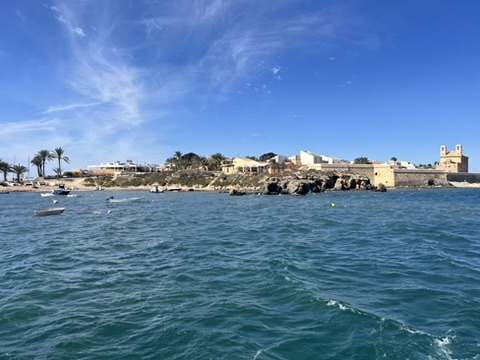
Tabarca Island (Isla de Tabarca) is the only permanently inhabited island in the entire Valencia region, located 22 km from Alicante and 11 km from the port of Santa Pola. This tiny island — just 1,800 metres long and 30 hectares in area — is home to around 50 permanent residents and is surrounded by Spain's first Marine Reserve, established in 1986. With an 18th-century walled town, crystal-clear snorkeling waters, a wild nature trail to a historic lighthouse, and fresh seafood restaurants, Tabarca makes for one of the most rewarding day trips you can take on the Costa Blanca. A round-trip ferry from Santa Pola costs around 15 EUR and takes just 25 minutes.
Why visit Tabarca Island?
• Only inhabited island in Valencia — unique history and charm
• Spain's first Marine Reserve — best snorkeling on Costa Blanca
• 18th-century walled town — Genoese heritage, Charles III fortifications
• Wild nature trail — lighthouse, rocky coves, turquoise water
• Quick ferry from Santa Pola — ~25 min, ~15 EUR round trip
• Perfect half-day trip — 4-6 hours is all you need
Whether you are staying in Alicante, Gran Alacant, or anywhere on the southern Costa Blanca, Tabarca Island deserves a spot on your itinerary. The island combines history, nature, and crystal-clear Mediterranean waters in a way that few places in Spain can match. If you are planning a longer stay in the area, check out our 3-day Alicante itinerary for more inspiration.
How to get to Tabarca Island: ferry schedules & prices
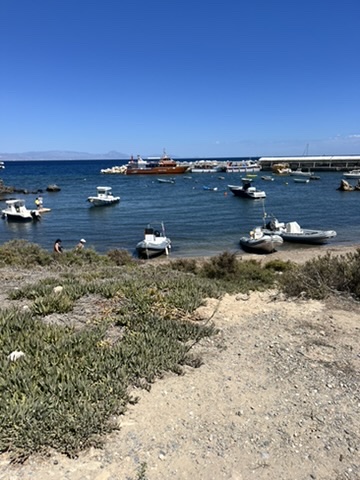
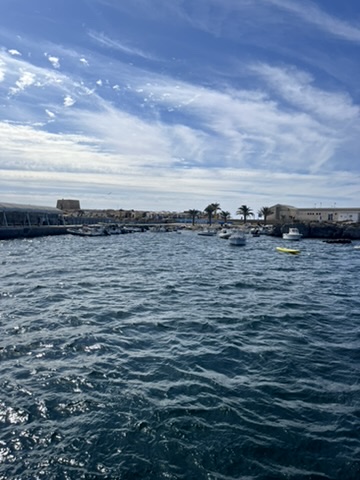
You can reach Tabarca Island by ferry from two departure points: Santa Pola (recommended) and Alicante port. Both operate seasonal schedules with the highest frequency between June and September. Tickets are sold as round-trip with flexible return — you can come back on any boat the same day.
From Santa Pola (recommended)
- • Crossing time: ~25 minutes
- • Price: ~15 EUR adult RT, ~10 EUR child
- • Frequency: every 30-60 min (summer)
- • First departure: 10:00
- • Last return: 18:00-19:00
- • Free parking at Santa Pola port
Closest to Gran Alacant — only 10 min by car to the port. Read more in our Santa Pola guide.
From Alicante port
- • Crossing time: ~1 hour
- • Price: ~21 EUR adult RT
- • Frequency: 3-4 departures/day
- • Catamaran: larger, more comfortable
- • Scenic route: views of Alicante skyline
Good option if you are already spending the day in Alicante city centre.
Ferry schedule from Santa Pola (2026 season)
SUMMER (June-September)
Departures: every 30-60 min from 10:00
Last return: 18:00-19:00
Operators: Tabarca Water Taxi, Cruceros Kontiki
OFF-SEASON (October-May)
Departures: 10:00, 12:00, 15:00, 17:00
Returns: 11:00, 13:00, 16:00, 18:00
Note: fewer boats, check schedules in advance
Schedules are approximate and may vary. Always confirm with the ferry operator before your trip.
Marine Reserve: the best snorkeling on Costa Blanca
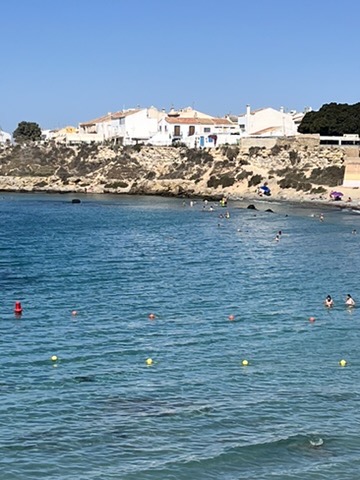
The waters around Tabarca Island have been protected as a Marine Reserve since 1986, making it the oldest marine protected area in all of Spain. Decades of conservation have turned the island's coastline into an underwater paradise teeming with life. The Posidonia oceanica seagrass meadows that carpet the seabed provide habitat for an extraordinary diversity of species, from large schools of gilt-head bream and painted combers to octopus, starfish, and sea urchins.
Snorkeling essentials
Best spots
- • Rocky north coast — best visibility & fish
- • Cala Birda — sheltered cove, great for beginners
- • Near the lighthouse — rock pools with marine life
What you will see
- • Schools of sea bream & grouper
- • Octopus, starfish, sea urchins
- • Posidonia seagrass meadows
- • Visibility often exceeding 10 metres
You can rent snorkel gear near the main beach for 5-8 EUR, but bringing your own is recommended.
The wild side: nature trail & lighthouse
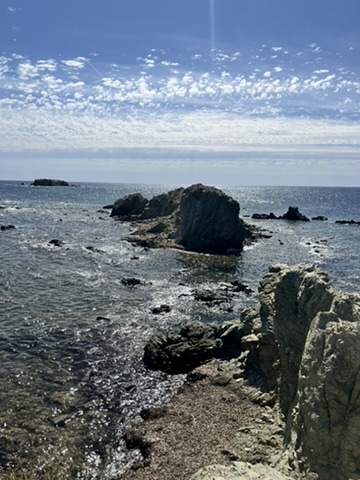
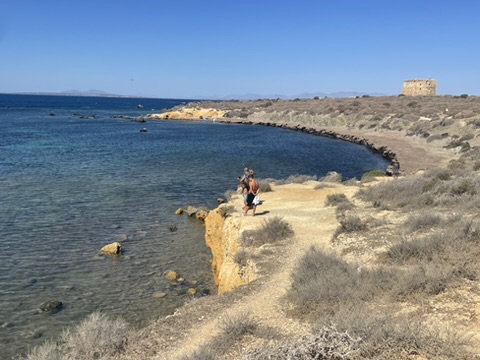
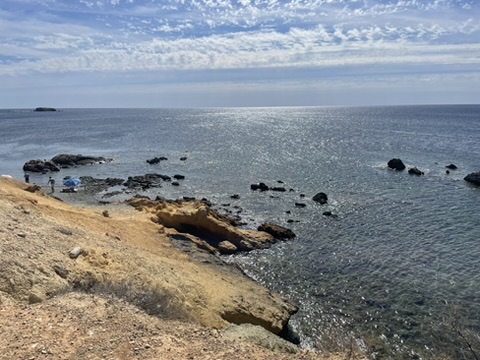
The eastern half of Tabarca Island is completely undeveloped — a wild landscape of Mediterranean scrubland, dramatic rock formations, and hidden coves accessible only on foot. A well-trodden trail leads from the walled town across a narrow isthmus to the lighthouse (Faro de Tabarca) at the eastern tip, offering 360-degree panoramic views over the Mediterranean Sea and the Costa Blanca coastline. Along the way, you will pass through aromatic rosemary, thyme, and astragalus that bloom spectacularly in spring. The rocky northern coastline harbours some of the island's most beautiful natural swimming pools — if you have water shoes, these are the spots to explore.
The walled town: Genoese history & Charles III fortifications
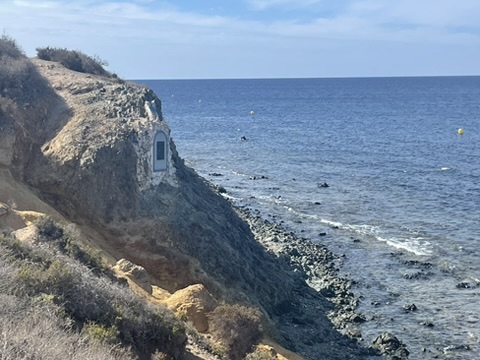
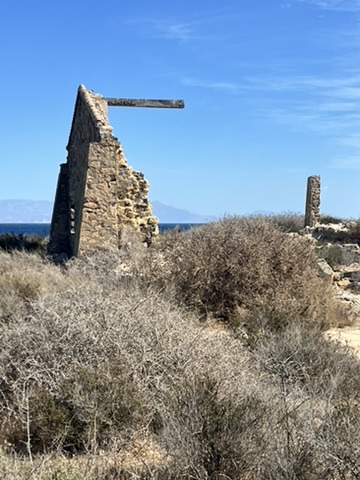
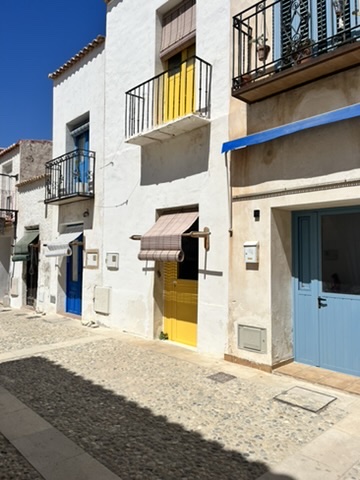
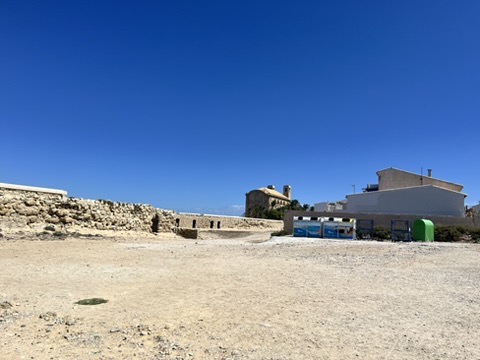
Tabarca's fascinating history is written into its very walls. The island was used as a pirate hideout for centuries until King Charles III of Spain launched an ambitious resettlement project in 1760. He brought 69 Genoese families who had been held captive on the island of Tabarka off the coast of Tunisia, giving the island its current name — "Nueva Tabarca" (New Tabarca). The king invested heavily in fortifications, defensive walls, and a church, transforming the island into a fortified settlement. Today, you can walk through the impressive San Gabriel gate crowned with a royal coat of arms, visit the Church of Saints Peter and Paul with its elegant baroque facade, and explore the Governor's Palace with a small historical exhibition.
Historical timeline
- • Ancient times: Romans called it "Planesia" — used as a coastal waypoint
- • Medieval era: Barbary pirates used the island as a hideout
- • 1760: Charles III resettles 69 Genoese families, builds fortifications
- • 1986: Spain's first Marine Reserve established around the island
- • Today: ~50 permanent residents, designated Historical-Artistic Site
Eating on Tabarca: restaurants & price warning
Tabarca has around six seafood restaurants clustered in the walled town area, all serving fresh fish and the island's signature dish: caldero tabareño — a traditional fisherman's stew of rice and locally caught fish. The food is genuinely excellent, but be prepared for significantly higher prices than on the mainland. Everything has to be brought in by boat, which drives up costs considerably.
Price warning — food on the island is expensive!
Typical restaurant prices
- • Caldero tabareño: 17-20 EUR
- • Paella de caldero: 15-18 EUR
- • Fresh seafood: 16-20 EUR
- • Simple dishes: 12-15 EUR
- • Drinks: 3-5 EUR
Our money-saving tip
Bring your own water and snacks! Bottles of water cost 2-3x mainland prices. Pack sandwiches, fruit, and at least 1.5L of water per person.
Still, we recommend trying the caldero tabareño at least once — it is the best rice dish on the Costa Blanca and a genuine local speciality you will not find elsewhere.
Planning your Tabarca day trip: time, timing & tips
How much time do you need?
Half day (4 hours): Walk through the walled town + lighthouse trail + swim or snorkel + quick lunch
Full day (6 hours): All of the above + extended snorkeling + beach time + relaxed dining
Best time to visit
May, June, September: Warm weather, warm water, fewer crowds — ideal months
Avoid: August weekends and Spanish public holidays (the island gets packed)
Pro tip: Take the first morning ferry (~10:00) for the quietest experience
What to bring
Snorkel mask & snorkel, water shoes (sea urchins on rocks!), high-factor sunscreen, hat & sunglasses, 1.5L+ of water per person, snacks, waterproof phone pouch, light cover-up, towel, and cash (limited card acceptance)
Important: very limited shade on the island!
Tabarca has almost no natural shade apart from the narrow streets of the walled town. The nature trail, the beaches, and the rocky coastline are fully exposed to the sun. In July and August, temperatures regularly exceed 35 degrees Celsius.
- • Apply sunscreen every 2 hours — the sea breeze masks the burn
- • Wear a hat — essential for the lighthouse trail
- • Bring extra water — you will drink more than you expect
- • Plan around the midday heat — snorkel in the morning, explore the town after lunch
What to see and do on Tabarca Island
Explore the walled town
- • San Gabriel gate with royal coat of arms
- • Church of Sts. Peter & Paul — baroque facade
- • Governor's Palace — historical exhibition
- • Defensive walls — walk along the ramparts
- • White houses with blue shutters — picture-perfect
Swim, snorkel & explore
- • Playa Grande — main beach with services
- • Cala Birda — wild cove, great snorkeling
- • Lighthouse trail — 360° panoramic views
- • Marine Reserve — rich underwater ecosystem
- • Natural rock pools — along the north coast
Practical information
What you will find
- • 6 seafood restaurants
- • 2 bars with drinks
- • Public toilets
- • First aid post (summer only)
- • Souvenir shop
- • Snorkel gear rental
What is limited or missing
- • Only one ATM (bring cash!)
- • No hotels for casual booking
- • No grocery shops
- • No vehicle rentals
- • Very limited natural shade
- • Limited card payment acceptance
Our insider tips
• Buy flexible return tickets — come back on any boat the same day
• Best photos: from the lighthouse at sunrise or late afternoon
• Snorkeling secret: the rocky coves on the north side have the best marine life
• Lunch timing: eat before 13:00 or after 15:00 to avoid the worst queues
• Wild part first: explore the trail and lighthouse in the cooler morning hours
• Polish version: read our detailed Tabarca Island guide in Polish for even more photos and gallery

Rafał Prońko
Właściciel Brisa Alacant
Właściciel apartamentu wakacyjnego Brisa Alacant od 2023 roku, regularnie odwiedzam Costa Blanca i znam region z własnych doświadczeń. Wszystkie miejsca opisane na blogu odwiedziłem osobiście — zdjęcia i porady pochodzą z moich własnych wizyt. Pomagam gościom odkrywać najlepsze atrakcje regionu Alicante.
Frequently Asked Questions
How do I get to Tabarca Island from Alicante?
There are two main ways to reach Tabarca Island from the Alicante area. The most popular and recommended route is from Santa Pola port, located about 20 minutes south of Alicante by car. Ferries from Santa Pola depart every 30 to 60 minutes during summer and the crossing takes approximately 25 minutes. A round-trip ticket costs around 15 euros for adults and 10 euros for children. The second option is a catamaran directly from Alicante port, which takes roughly one hour each way and costs about 21 euros return. From Santa Pola, the first boat usually departs at 10:00 in the morning and the last return from Tabarca is at 18:00 or 19:00 depending on the season. We strongly recommend taking the ferry from Santa Pola because it is cheaper, faster, and offers more frequent departures throughout the day. Tickets can be purchased at the port ticket offices or booked online through operators like Tabarca Water Taxi.
Is Tabarca Island worth visiting for snorkeling?
Tabarca Island is absolutely worth visiting for snorkeling and is widely considered the best snorkeling destination on the entire Costa Blanca coastline. The island is surrounded by a protected Marine Reserve established in 1986, which was the very first of its kind in Spain. Thanks to decades of marine conservation, the underwater ecosystem around Tabarca is remarkably rich and diverse. You can expect to see large schools of sea bream, grouper, octopus, starfish, sea urchins, and colourful wrasse swimming through the Posidonia oceanica seagrass meadows. The water clarity is exceptional with visibility often exceeding 10 metres, making it perfect for underwater photography. The best snorkeling spots are found along the rocky northern coastline of the wild part of the island, where natural rock pools and shallow coves provide sheltered conditions. You can bring your own gear or rent basic snorkel sets from vendors near the main beach for around 5 to 8 euros per set.
How much time do I need for a Tabarca Island day trip?
Most visitors find that 4 to 6 hours on Tabarca Island is the ideal amount of time to experience everything the island has to offer without feeling rushed. A well-planned half-day trip of around 4 hours allows you to walk through the historic walled town, explore the wild eastern half of the island along the trail to the lighthouse, enjoy a swim or snorkeling session in the Marine Reserve, and have a leisurely lunch at one of the waterfront restaurants. If you want a more relaxed pace with extended sunbathing on the main beach, thorough exploration of the rocky coastline, and perhaps a second snorkeling session in a different cove, plan for a full 6 hours. Keep in mind that there is very limited natural shade on the island, so spending the hottest midday hours of July and August there can be quite intense. We recommend arriving on one of the first morning ferries around 10:00 and catching a return boat between 14:00 and 16:00.
What should I bring to Tabarca Island?
Packing the right items for your Tabarca Island day trip can make the difference between a perfect outing and an uncomfortable one. First and foremost, bring high-factor sunscreen and reapply frequently because shade on the island is extremely limited and the Mediterranean sun reflects strongly off the water and white stone buildings. Water shoes or reef shoes are essential if you plan to enter the water from the rocky northern coastline, as sea urchins are common on the rocks. A snorkel mask and snorkel are highly recommended since the Marine Reserve offers outstanding underwater visibility and marine life. Pack plenty of drinking water and your own snacks because food and beverages on the island are significantly more expensive than on the mainland, with main courses at restaurants costing 15 to 20 euros. A lightweight hat, sunglasses, and a light cover-up for the walk through the walled town round out the essentials. A waterproof phone pouch is useful for protecting your device during snorkeling sessions.
When is the best time to visit Tabarca Island?
The best time to visit Tabarca Island is from May through September, when the Mediterranean water temperature is warm enough for comfortable swimming and snorkeling, and ferry services run at full frequency with departures every 30 to 60 minutes from Santa Pola. Within that window, May, June, and September are ideal because the weather is warm and sunny with temperatures around 25 to 30 degrees Celsius, the water is pleasant at 20 to 24 degrees, and the island is far less crowded than during peak summer. We strongly recommend avoiding August weekends and Spanish public holidays, when the island can feel uncomfortably packed with day-trippers and restaurant wait times stretch beyond an hour. Weekday mornings are consistently the quietest time to visit throughout the season. Arriving on the first ferry of the day, typically around 10:00, gives you the best chance to explore the walled town and snorkel the rocky coves before the midday crowds arrive. October through April visits are possible but ferry schedules are reduced.
Źródła i odnośniki
- Reserva Marina de Tabarca - Generalitat Valenciana(dostęp: 2026-04-17)
- Turismo Santa Pola - Isla de Tabarca(dostęp: 2026-04-17)
- Ayuntamiento de Alicante - Tabarca(dostęp: 2026-04-17)
- Barcos Santa Pola Tabarca - Horarios y precios(dostęp: 2026-04-17)
- Wikipedia - Isla de Tabarca(dostęp: 2026-04-17)
Ready for your Tabarca Island adventure?
From our apartment Brisa Alacant in Gran Alacant, it is just 10 minutes by car to Santa Pola port, then a quick 25-minute ferry ride to this magical island. Wake up, grab your snorkel gear, and you could be swimming in crystal-clear Marine Reserve waters before lunch!
More day trips from Alicante
If you loved Tabarca, check out our detailed Tabarca guide in Polish with extensive photo galleries. For more coastal adventures, read about Santa Pola — the charming fishing town where the ferries depart. Planning your full trip? Our 3-day Alicante itinerary covers the best sights, beaches, and hidden gems.